When allergies are flaring up, a room can look perfectly tidy and still be full of irritants. The best cleaners for allergy sufferers do more than leave a fresh smell behind – they remove the dust, pollen, pet dander and mould-friendly grime that can settle into everyday spaces.
For busy households, landlords and workplace managers, the difference comes down to method. A quick wipe of visible surfaces is not the same as cleaning the soft furnishings, floors, vents and high-touch areas where particles collect. The right products and a well-planned routine can make a property feel more comfortable without filling it with overpowering fragrance.
What makes a cleaner suitable for allergy sufferers?
A suitable cleaner should lift and remove allergens rather than simply move them around. This matters because microscopic dust and dander can be disturbed by dry dusting, harsh brushing or a poorly maintained vacuum, then settle elsewhere in the room.
Look for low-fragrance or fragrance-free products where possible. Strongly scented sprays may make a room smell clean, but fragrance can be irritating for some people, particularly those with asthma or sensitivities. “Natural” is not automatically a guarantee either. Essential oils and botanical ingredients can still have a strong scent or trigger a reaction in certain individuals.
The product also needs to match the surface. A gentle, suitable cleaner for sealed hard floors and kitchen worktops may not be right for carpets, upholstery or bathroom mould. Effective allergy-aware cleaning is less about finding one miracle bottle and more about choosing the right approach for each part of the property.
Best cleaners for allergy sufferers: products and methods
For everyday hard surfaces, a fragrance-free, non-aerosol cleaner is often the sensible choice. Used with a clean microfibre cloth, it can collect dust and wipe away residues from tables, shelves, skirting boards, door handles and window sills. Microfibre is useful because it holds fine particles rather than sending them into the air, but it must be washed properly between uses. A dirty cloth simply reintroduces what it picked up last week.
In kitchens and bathrooms, use a cleaner that cuts through grease, soap residue and limescale without leaving a heavy perfume behind. Damp bathrooms deserve particular attention. Mould spores thrive where condensation and poor ventilation are allowed to build up, so regular cleaning should be paired with practical habits such as using an extractor fan, drying wet surfaces and reporting leaks quickly.
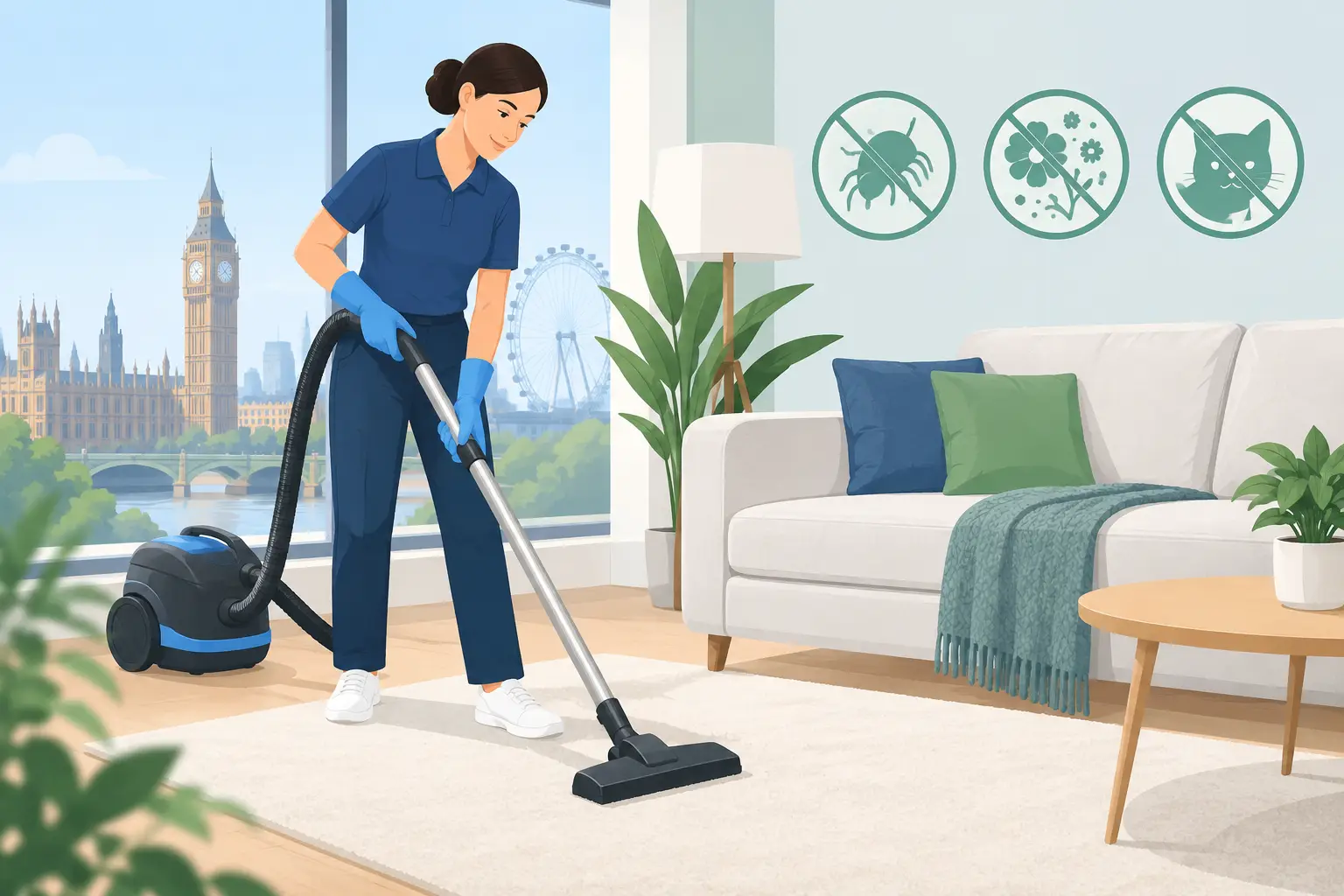
Carpets, rugs and upholstered furniture need a different standard of care. These fabrics can hold dust mites, dander, pollen brought in on shoes and general outdoor debris. Vacuuming with a well-maintained machine that has effective filtration is a good starting point. For a deeper reset, professional carpet and upholstery cleaning can remove embedded soil that normal weekly vacuuming may miss.
Avoid relying on aerosols where you can. Sprays can disperse droplets into the air, which is unhelpful for someone who is already sensitive. Applying product directly to a cloth first is usually more controlled and reduces unnecessary airborne residue.
The places allergens hide at home
Allergy-focused cleaning works best when it follows the routes dust takes through a home. Bedrooms come first because people spend hours there, often with windows open during pollen season. Wash bedding regularly, vacuum the mattress and surrounding floor, and do not overlook the bed frame, headboard and behind-bed area. If a bedroom contains lots of cushions, throws, heavy curtains and open shelving, it may need more frequent attention than a minimal room.
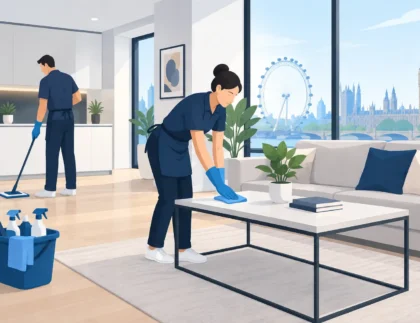
Living rooms can be just as demanding. Soft furnishings, pet beds and fabric lampshades trap particles, while television units and radiators collect dust in hard-to-reach corners. A cleaner who works from high to low – starting with ledges, shelves and blinds before vacuuming – is less likely to leave freshly dislodged dust on a cleaned floor.
Entryways are another common weak point. Pollen, road dust and dirt travel indoors on shoes, bags, coats and pram wheels. A good doormat, regular vacuuming and mopping, and a simple no-shoes policy where practical can reduce the amount that reaches carpets and bedrooms.
Why a professional cleaning plan can help
A professional cleaner cannot cure an allergy, and no cleaning service can make a London property completely allergen-free. What a thorough service can do is reduce the build-up of common triggers and make that task consistent when life gets busy.
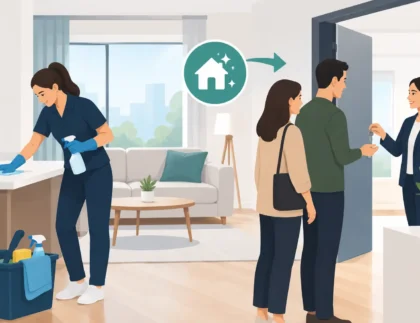
This is especially useful after building work, a tenancy change or a long period without a deep clean. Post-construction dust can settle into every corner, while move-in and move-out properties may have neglected carpets, appliances, blinds and cupboards. These are jobs where surface-level cleaning rarely goes far enough.
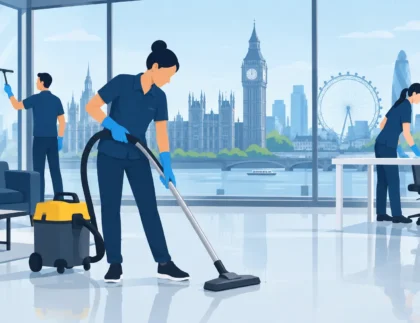
For offices, shops and other shared workplaces, regular attention matters because footfall brings in dirt and pollen every day. Desks, meeting rooms, reception areas, washrooms and communal kitchens all need a routine that reflects how the space is used. A quiet office with carpeted meeting rooms has different needs from a restaurant, medical facility or busy showroom.
At The Ultimate Cleaners, allergy-aware cleaning can be tailored around the rooms, materials and problem areas in your property. Whether you need a one-off deep clean, regular house cleaning, carpet cleaning or a reliable commercial schedule, clear instructions about sensitivities help the team choose suitable methods and avoid products you would rather not have used.
What to ask before booking a cleaner
The best result starts with a straightforward conversation before the appointment. Explain whether the concern is pollen, pet dander, dust, mould, fragrance sensitivity or a combination of these. Mention asthma or any known sensitivities, but avoid expecting a cleaner to make medical recommendations – your GP or allergy specialist is the right person for that advice.
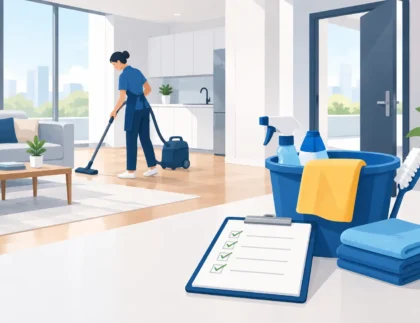
Ask whether the team can use low-fragrance or fragrance-free products, whether you may supply a preferred product, and how they handle carpets and upholstery. It is also worth confirming that vacuum equipment and cloths are clean and maintained. Equipment hygiene is just as important as the cleaning solution itself.
Be realistic about the property too. If pets sleep on sofas, windows are often open during high-pollen days, or a flat has ongoing damp, cleaning will help but may need to be part of a wider plan. Ventilation, repairs, laundry routines and reducing clutter can all make regular cleaning more effective.
A practical routine between visits
Professional cleaning has more impact when supported by a few simple habits. Vacuum busy areas regularly, damp-wipe hard surfaces rather than dry dusting, and wash pet bedding and throws often. During high-pollen periods, changing clothes after time outdoors and keeping bedroom windows closed at peak times may also reduce what reaches fabrics.
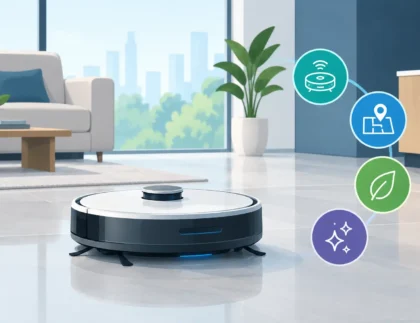
Do not forget filters. Vacuum filters, extractor fans, air purifiers and tumble dryer filters need the right maintenance schedule for the model in use. A neglected filter can undermine the effort put into cleaning the rest of the room.
The goal is not a chemical-heavy home or an unrealistic standard of perfection. It is a cleaner, calmer space with fewer places for dust and allergens to linger. If maintaining that routine is becoming one more job you do not have time for, a planned cleaning service gives you a dependable way to stay on top of it.