A reception desk covered in fingerprints at 9am, a restaurant floor greasy after service, or a warehouse aisle gathering dust around stock – these are the everyday details that affect how a business feels to staff, customers and visitors. Commercial cleaning examples make it easier to see what a proper service can cover and, more importantly, what your own premises actually need.
Commercial cleaning is not one fixed task. A small office in Islington has very different priorities from a busy café in Soho or a medical practice in Enfield. The right plan reflects your space, footfall, working hours and hygiene requirements, rather than applying the same checklist everywhere.
12 commercial cleaning examples by premises type
1. Routine office cleaning
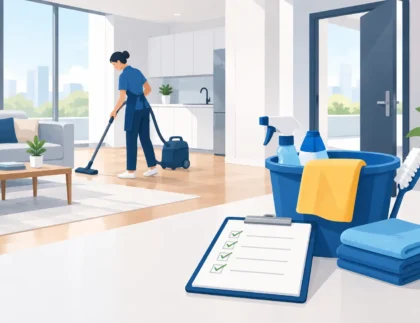
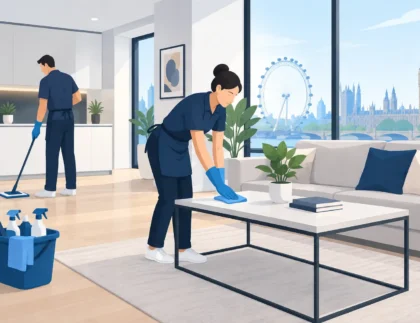
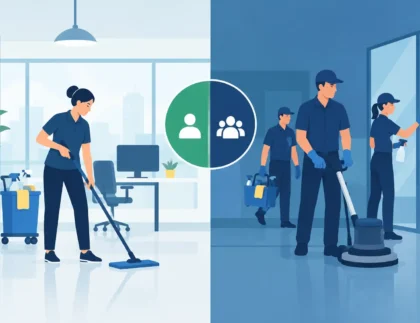
Office cleaning usually focuses on the areas employees use every day: desks, meeting rooms, kitchens, toilets, entrances and shared touchpoints. Cleaners empty bins, vacuum carpets, mop hard floors, wipe surfaces, sanitise handles and switches, and leave washrooms stocked and presentable.
For offices with staff on site five days a week, an evening clean is often the least disruptive option. Smaller teams or hybrid workplaces may only need two or three visits a week. The key is to match the schedule to actual use, not simply to the size of the office.
2. Deep cleaning before a client visit or office move
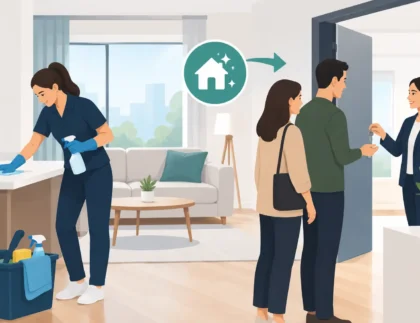
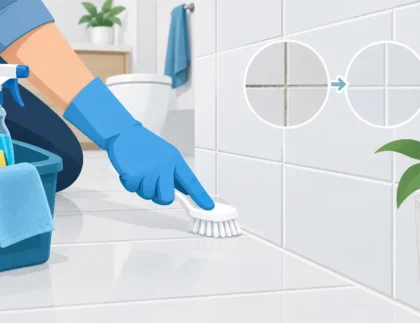
Routine cleaning keeps a workplace in order, but a periodic deep clean deals with the areas that get missed in a normal visit. This may include detailed kitchen cleaning, descaling washrooms, cleaning skirting boards, internal glass, high-level dusting and tackling marks on carpets or upholstery.
It is a practical choice before an important client event, after a refurbishment, or when a business is handing back a leased office. A deep clean takes longer than standard maintenance cleaning, but it can make a tired workspace feel ready for its next chapter.
3. Retail and showroom cleaning
For shops and showrooms, presentation is part of the customer experience. Clean glass, dust-free displays and streak-free floors help products stand out, while dirty fitting rooms or neglected entrances can undermine an otherwise polished brand.
A retail cleaning plan may cover shop floors, counters, mirrors, changing rooms, staff areas and windows. Early-morning or after-hours visits are popular because they keep cleaning activity out of customers’ way. High-footfall locations often need a quick daytime check as well, particularly for washrooms and entrances.
4. Restaurant and café cleaning
Restaurants need a clear split between front-of-house cleaning and kitchen cleaning. Dining areas need tables, chairs, floors, glass and washrooms kept ready for guests. Kitchens need focused work on grease, food debris and surfaces that are exposed to constant use.
The cleaning programme should work around service times and the equipment on site. A small coffee shop may need a reliable daily clean, while a high-volume restaurant may require more frequent attention to floors and washrooms. Food businesses cannot afford vague standards – the result needs to look clean and support good hygiene practices.
5. Medical and dental practice cleaning
Medical facilities require careful, consistent cleaning of waiting rooms, consulting rooms, washrooms and high-touch points. Cleaning must be planned around appointments and the specific rules of the practice, with suitable products and processes for the environment.
This is one of the clearest examples of why a generic clean is not always enough. A waiting room might look tidy but still need regular attention to chairs, reception screens, door handles and washroom fixtures. Clear scope and dependable attendance matter as much as the visible finish.
6. School, nursery and learning space cleaning
Educational settings are busy, messy and shared by many people throughout the day. Cleaning commonly includes classrooms, toilets, corridors, staff rooms, entrances, communal tables and floors, with extra care around frequently touched surfaces.
A nursery may also need a schedule designed around child-safe products and naptime routines. The best approach depends on the age group, the number of pupils and whether the building is used for clubs or events after normal hours.
7. Warehouse and industrial unit cleaning
Warehouses collect dust, packaging waste and dirt brought in from loading areas. A commercial cleaning team can keep offices, canteens, toilets, walkways and staff facilities in better condition, while an agreed plan addresses larger floor areas and hard-to-reach zones.
Industrial sites need practical planning. Cleaning cannot block loading bays, interfere with machinery or create hazards around stock. Timing, safe access and a clear understanding of the site layout are essential, especially where forklift traffic or shift work is involved.
8. Post-construction cleaning
After builders leave, a site may have fine dust on every surface, paint splashes on glass and debris hidden in corners. Post-construction cleaning turns that unfinished feel into a usable space by removing building dust, cleaning floors and glass, wiping surfaces and preparing rooms for occupation.
This service is useful for new offices, retail refits, renovated flats and commercial refurbishments. It is usually best booked once the main work is complete and trades are no longer moving materials through the property. Otherwise, the space can quickly become dusty again.
9. Carpet and upholstery cleaning
Carpets hold more than visible dirt. In a busy office, restaurant or reception area, they can pick up stains, grit and odours that routine vacuuming will not fully remove. Professional carpet cleaning helps refresh the appearance of floor coverings and can be scheduled outside business hours to minimise interruption.
The right method depends on the carpet type, the level of soiling and how quickly the area needs to be used again. A site with constant footfall may need cleaning in sections, so staff and customers can still move around safely.
10. Window and glass cleaning
Internal glass partitions, shopfronts and entrance doors show smudges quickly. Window cleaning is particularly valuable for customer-facing premises, where daylight and clean sightlines make a noticeable difference to the space.
For a showroom or retail unit, regular glass cleaning keeps displays looking cared for. In offices, it helps meeting rooms and reception areas feel brighter and more professional. Frequency depends on the location – a busy high street frontage needs more attention than a sheltered internal office window.
11. Airport, transport and high-footfall public areas
High-footfall spaces demand a responsive cleaning routine. Floors, seating, washrooms, entrances and touchpoints can become untidy quickly, so cleaners may need to work in visible public areas while keeping disruption low.
These sites benefit from planned checks throughout the day, not just a single clean after closing. The aim is simple: people should find the environment clean whenever they arrive, even during its busiest periods.
12. Government buildings and managed facilities
Government premises, managed buildings and multi-tenant sites often need cleaning that fits strict access arrangements, varied occupancy and multiple shared areas. Reception spaces, communal kitchens, lift areas, toilets and meeting rooms all need a dependable standard.
A detailed specification prevents confusion here. It should state what is cleaned, when visits take place, which areas need more frequent attention and how issues are reported. That structure gives facilities teams confidence that nothing is being left to chance.
How to choose the right commercial cleaning plan
Start with the practical questions. How many people use the site each day? Which areas create the strongest impression? Where are hygiene standards most critical? And when can cleaning happen without getting in the way of customers or staff?
A good cleaning provider will turn those answers into a clear schedule. For example, a small Camden office may need evening cleaning twice a week plus quarterly carpet care. A restaurant may need daily front-of-house cleaning, focused kitchen cleaning and frequent washroom checks. A warehouse might require routine welfare-area cleaning with planned deep cleaning for larger floors.
Eco-friendly products are also worth discussing, especially in offices, schools, clinics and customer-facing spaces. They can help reduce harsh chemical smells while still delivering a thorough clean. However, product choice should always suit the material, the task and the hygiene requirements of the site.
A cleaner premises is easier to run
The best commercial cleaning examples have one thing in common: they remove a recurring problem before it becomes a complaint, a safety concern or another job for an already busy manager. Whether you run a compact office, a restaurant, a shop or a specialist site, a tailored cleaning schedule gives your team one less thing to chase.
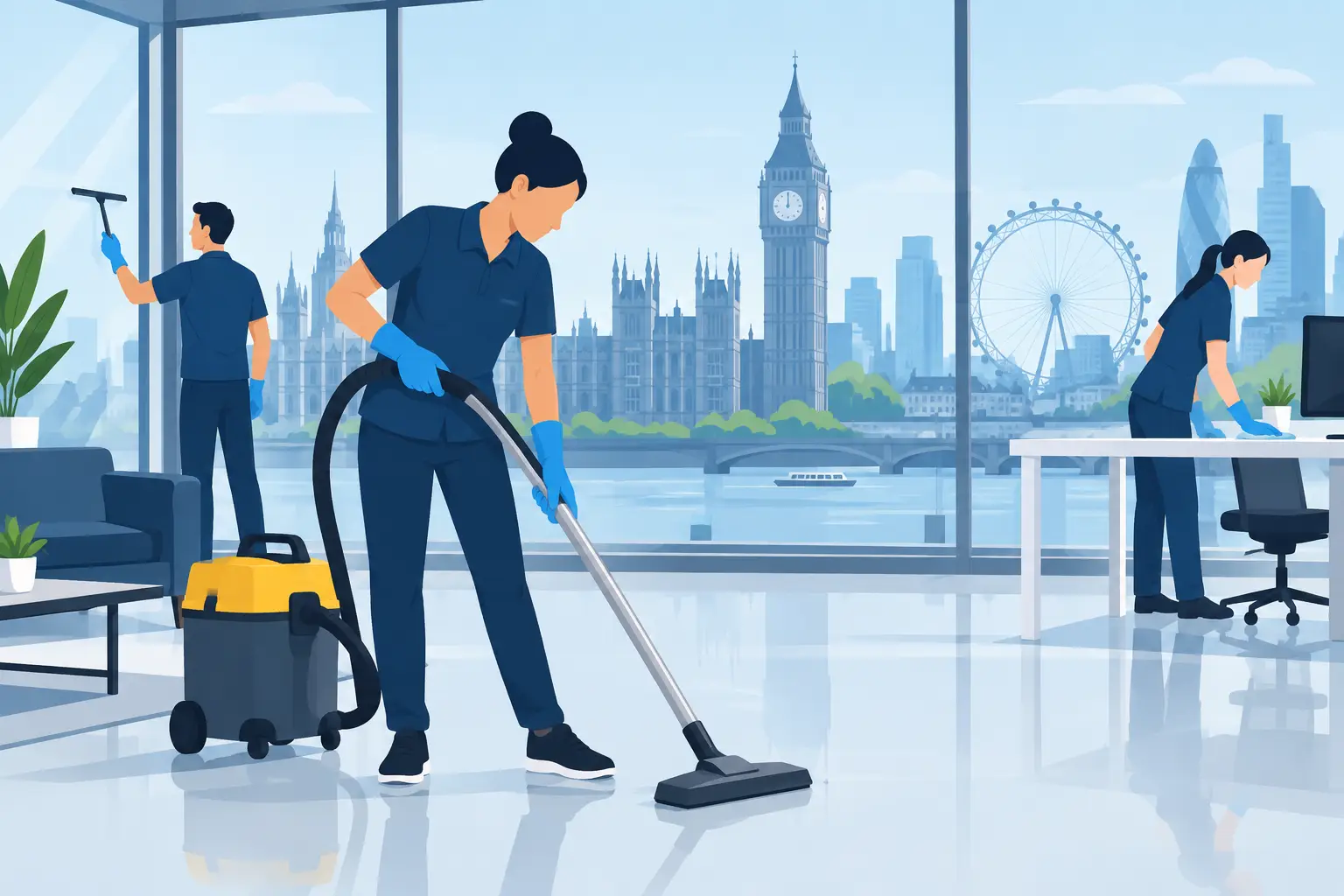
The Ultimate Cleaners provides flexible commercial cleaning across London, from routine visits to one-off deep cleans and specialist work. Request a free estimate with the size of your premises, the areas that need attention and your preferred cleaning times, and you can build a plan that works around your business rather than interrupting it.