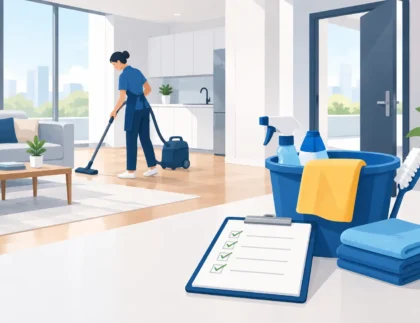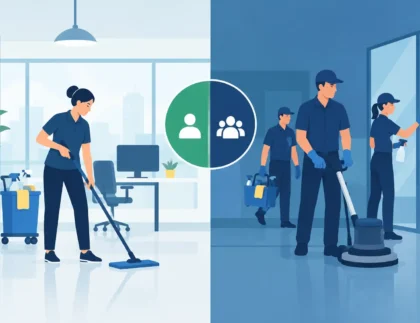

A cleaning contract used to be judged by one simple question: did the premises look clean at the end of the shift? That still matters, but it is no longer enough. The future of contract cleaning services is being shaped by higher hygiene expectations, tighter budgets, greener purchasing decisions and workplaces that rarely operate on a fixed nine-to-five schedule.
For London businesses, the change is especially clear. An office may be busy three days a week, a restaurant needs intensive support after every service, and a warehouse can require round-the-clock attention to keep its operation safe. The best cleaning contracts will not be built around a generic checklist. They will be planned around how a building is actually used.
The Future of Contract Cleaning Services Is More Flexible
A fixed cleaning schedule can work well in a stable environment. Many properties are not stable any more. Hybrid working has changed office footfall, retail traffic rises and falls with seasons, and events or construction work can quickly create extra cleaning needs.
That does not mean every business needs a completely different service every week. It means a contract should have room to adapt. A sensible arrangement may combine regular daily or weekly cleaning with planned periodic work, such as carpet care, window cleaning, washroom deep cleans and high-level dust removal. It should also allow for additional visits after a busy period, an office move or an unexpected spill.
Flexibility has a cost if it is poorly managed. Calling out cleaners at short notice is not always the cheapest option, and a constantly changing rota can affect consistency. The answer is clear communication from the start. A cleaning provider should understand the building’s peak times, restricted areas, occupancy patterns and the standards expected in each space.
For example, a shared office in Canary Wharf may need washrooms and touchpoints checked during the day, while detailed desk-area cleaning can happen after staff leave. A warehouse may need focused cleaning around loading areas and staff facilities instead. A contract that reflects those differences avoids paying for tasks that add little value while leaving important risks unaddressed.
Cleaner Buildings, Better Hygiene Evidence
Visible cleanliness creates a good first impression. Hygiene is about more than appearance. Businesses increasingly need confidence that frequently touched surfaces, washrooms, kitchens and shared facilities are being cleaned in the right way and at the right frequency.
This is likely to bring more documented cleaning. Digital checklists, time-stamped task records and issue reporting make it easier for facilities managers to see what has been completed and where attention is needed. A missed bin collection or empty soap dispenser can be reported and dealt with before it becomes a complaint.
Technology should support cleaners, not turn cleaning into a box-ticking exercise. A completed checklist is only useful when the work has been properly inspected. Good contract cleaning still depends on trained people noticing the details: fingerprints on glass, odours in a washroom, dust gathering behind equipment or a floor that needs a different treatment.
For higher-risk sites, the standard will be even more specific. Medical facilities, food areas, schools, gyms and other high-footfall spaces need cleaning methods that suit their environment. The right chemicals, colour-coded equipment, safe storage and clear procedures all matter. One approach does not fit every commercial site.
Data Will Help, but People Will Set the Standard
Smart dispensers, occupancy data and automated reports can help cleaning teams work more efficiently. A washroom that receives heavy use may need an additional check before supplies run low. An office floor with low attendance may not need the same level of attention every evening.
However, technology cannot replace the judgement of an experienced cleaner or supervisor. Sensors do not remove stains, assess whether a floor finish is wearing badly or reassure a client when a last-minute issue arises. The strongest cleaning partners will use practical data to plan better work while keeping a reliable, well-trained team at the centre of the service.
Sustainability Will Move Beyond Green Claims
Eco-friendly cleaning products are now a priority for many organisations, and rightly so. Businesses want to reduce unnecessary chemical use, improve indoor air quality and make more responsible choices for staff, visitors and customers.
The next step is looking at the whole cleaning operation. That includes choosing products that are appropriate for the surface and task, using concentrated refills where suitable, reducing disposable materials and controlling waste. It also means avoiding the false economy of using a harsh product that damages a surface and shortens its lifespan.
There are trade-offs. The greenest-looking product is not automatically the best choice for every job. A commercial kitchen, healthcare setting or post-construction clean may require specialist products and procedures to achieve safe results. What matters is a provider that can explain its approach clearly, use products responsibly and avoid vague promises.
Sustainability also includes working practices. Efficient route planning, sensible stock control and equipment that delivers good results with less water can make a meaningful difference over a long contract. These details may not be the most glamorous part of cleaning, but they are where consistent environmental improvements are made.
Contracts Will Be Measured by Outcomes, Not Hours Alone
Hours are still useful for planning a cleaning service, but they do not tell the full story. Two buildings can have the same floor area and need very different levels of support. One may have client-facing meeting rooms, a busy kitchen and hundreds of visitors. The other may have a small team with limited use of shared spaces.
More businesses will look for outcome-based conversations. Are washrooms consistently stocked and presentable? Are complaints being resolved quickly? Are floors safe and well maintained? Are cleaning standards holding up during busy periods? These are the results that affect staff wellbeing, customer perception and day-to-day operations.
This does not mean contracts should be vague. Quite the opposite. Scope, frequency and responsibilities need to be set out clearly, with regular reviews to make sure the service remains suitable. A transparent contract protects both sides. The client knows what to expect, while the cleaning team has the information and time needed to do the job properly.
What London Businesses Should Ask a Cleaning Provider
Before agreeing a new contract or renewing an existing one, ask how the provider will assess your site rather than simply quote from a standard menu. A proper discussion should cover access arrangements, operating hours, health and safety requirements, consumables, waste, specialist surfaces and the points that matter most to your staff or customers.
It is also worth asking who will manage the account when something changes. A responsive contact and regular quality checks can make a major difference, particularly in properties with high footfall or several separate areas. Price matters, but the lowest quote can become expensive if it leads to missed tasks, rushed staff or constant complaints.
Look for a provider that can handle both routine work and the jobs that sit outside the weekly schedule. Post-construction cleaning, end-of-tenancy work, carpets, windows and deep cleans are easier to coordinate when one trusted team understands the property. The Ultimate Cleaners takes this practical approach across London, matching regular and specialist support to the needs of each site.
A Contract Should Make Work Easier
The most useful cleaning contract is not the one with the longest task list. It is the one that removes problems before they interrupt your day. That means clear standards, dependable people, sensible use of technology and enough flexibility to respond when your premises change.
As expectations rise, cleaning will become more visible as part of a well-run property rather than something noticed only when it goes wrong. Choose a partner that listens to how your site operates, reviews the service honestly and gives you confidence that the details are being handled.