A new tenancy can get off to the wrong start before the keys are even handed over. Dusty cupboards, grease behind the cooker or a bathroom with visible limescale can make a property feel neglected, even when the bigger maintenance jobs have been completed. This guide to pre tenancy cleaning explains what landlords and property managers should clean, when to arrange it and where professional help can save time between tenancies.
Pre tenancy cleaning is not simply a quick tidy after the previous occupier leaves. It is a full reset of the property before a new tenant moves in. The aim is straightforward: present a clean, hygienic and welcoming home, while making the condition of the property easier to document against the new inventory.
What pre tenancy cleaning should achieve
A properly cleaned flat or house should look ready to live in, not merely empty. New tenants will notice the details straight away: fingerprints on light switches, crumbs in drawers, odours in carpets and marks on internal windows. These small issues can lead to complaints, create avoidable tension and delay a smooth move-in.
For landlords, a thorough clean also protects the presentation of the property. A well-kept home photographs better, supports viewings if there is any overlap in marketing and helps show that the property has been managed with care. In competitive parts of London, that first impression carries real weight.
There is a practical distinction to make. An end of tenancy clean focuses on returning a property to a suitably clean condition after an outgoing tenant. Pre tenancy cleaning focuses on the incoming tenant’s experience. Often the work will overlap, but a landlord may still need a final clean after repairs, decorating, safety checks or an empty period.
Your guide to pre tenancy cleaning: where to start
Start once the outgoing tenant has fully vacated and all maintenance work is complete. Cleaning before painters, electricians or contractors have finished usually means paying twice. Fine dust settles after repairs, and trades can easily leave footprints, packaging or marks on freshly cleaned surfaces.
Walk through each room in daylight, taking notes as you go. Open cupboards and drawers, check behind doors, look at skirting boards and inspect areas that are easy to miss during a standard clean. If the property has been vacant for a few weeks, check for dust, stale smells and insect activity as well as visible dirt.
It helps to work from high to low and from the back of the property towards the exit. That means ceilings, fittings and high surfaces first, followed by furniture and worktops, then floors last. This simple order prevents dust and debris from undoing finished work.
Kitchen: the room tenants judge hardest
The kitchen needs the most detailed attention because it combines food preparation, appliances and hard-to-reach areas. Clean and sanitise worktops, sinks, taps, cupboard fronts, handles and splashbacks. Empty all cupboards and drawers, vacuum out crumbs, then wipe the interiors so they are ready for food, crockery and utensils.
Appliances need more than a surface wipe. Degrease the oven, hob, extractor and surrounding tiles. Clean the fridge and freezer internally once defrosted, including seals, shelves and drawers. Pull out freestanding appliances where safe to do so, as grease and debris often collect behind them.
Be realistic about the condition of older appliances. Cleaning can remove grease, odours and surface marks, but it cannot repair damaged seals, burnt hob rings or heavily worn enamel. Flag repairs separately rather than expecting cleaning to solve a maintenance issue.
Bathroom and toilet: focus on hygiene and limescale
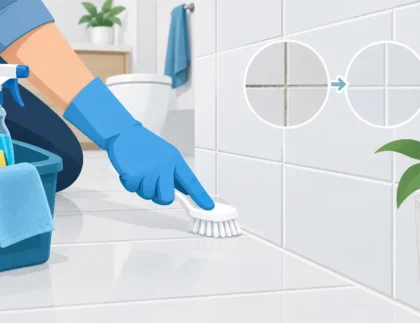
Bathrooms should feel fresh, dry and hygienic. Descale taps, shower screens, tiles and shower heads where needed, then clean the bath, basin, toilet, mirrors and storage units. Pay close attention to grout lines, silicone seals, plugholes and the area around the toilet base.
Mould should never be treated as just a cosmetic cleaning problem. Small surface marks caused by condensation may lift with suitable cleaning, but recurring or widespread mould can point to a ventilation, leak or insulation issue. Deal with the cause before a new tenant moves in, otherwise it is likely to return.
Finish by checking that extractor fans are free from dust, bins are empty and there are no lingering drain odours. A clean bathroom loses its impact quickly if a blocked plughole or unpleasant smell remains.
Living areas and bedrooms: clean what is usually overlooked
In living rooms and bedrooms, clean light fittings where accessible, switches, sockets, radiators, skirting boards, internal doors, handles and window sills. Wipe wardrobes inside and out, including rails, shelves and drawer interiors. Vacuum soft furnishings if they are part of the tenancy, and inspect them for stains, pet hair or damage.
Windows make a big difference to the amount of light in a room. Clean internal glass, frames and sills, then consider external window cleaning where access is safe and it will improve the overall presentation. In a top-floor flat or a property with awkward access, this is often work best left to trained cleaners with the right equipment.
Carpets deserve a closer look before deciding on the level of service. A careful vacuum may be enough for a lightly used, nearly new carpet. For noticeable stains, odours, ground-in dirt or homes that have had pets, professional carpet cleaning is the better choice. It freshens the room and can help protect the life of the flooring, but allow enough drying time before move-in.
Do not forget the practical finishing touches
The best pre tenancy cleans cover more than the obvious rooms. Check halls, stairs, utility areas, balconies and storage spaces. Remove rubbish from inside and outside the property, sweep entrance areas and make sure wheelie bins are not overflowing. Clean marks from internal doors and communal-facing entry doors where this is your responsibility.
Before handing over keys, run through these final checks:
- All cupboards, drawers and appliances are empty and clean.
- Floors have been vacuumed or mopped after all other work is finished.
- Bathrooms and kitchens are dry, fresh smelling and free from cleaning residue.
- Windows, mirrors and glossy surfaces are checked for smears in natural light.
- Rubbish, spare materials and abandoned belongings have been removed.
Take dated photographs once the clean is complete, ideally before the new tenant moves possessions in. These images should support, not replace, a detailed check-in inventory. Clear records help set fair expectations for both sides of the tenancy.
Should you clean it yourself or book a professional?
The answer depends on the property, turnaround time and expected standard. A landlord with one small, well-maintained flat and a day to spare may be able to manage the work themselves. However, a larger home, a tight handover, heavy grease, stained carpets or post-repair dust can turn the job into a full weekend or more.
Professional cleaning is particularly useful when several services are needed at once, such as deep kitchen cleaning, bathroom descaling, carpet treatment and window cleaning. It also gives busy landlords and agents one clear plan rather than trying to coordinate separate jobs during a void period.
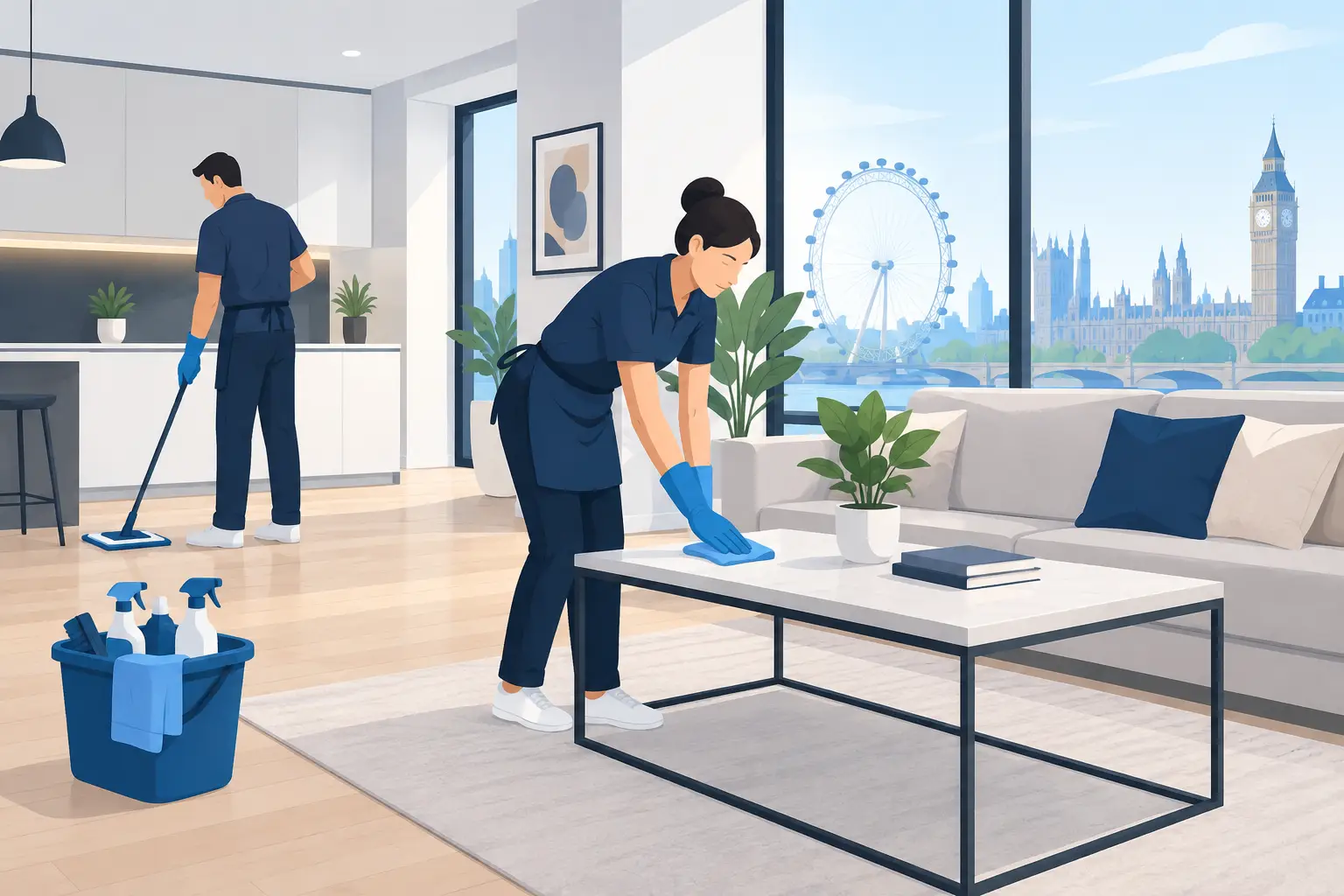
If you use a cleaning company, be specific about the property’s condition, number of bedrooms and bathrooms, appliances, carpets, access arrangements and deadline. Ask whether cleaning products and equipment are included, and make sure the cleaners arrive after contractors have left. The Ultimate Cleaners can provide flexible move-in and move-out cleaning across London, with eco-friendly products and a satisfaction-focused approach for landlords who need the job handled properly.
Plan the clean around the handover date
For a smooth move-in, book the clean as late as practical but leave a buffer before the tenant arrives. This gives you time to air rooms, let carpets dry, complete the inventory and deal with anything found during the final inspection. A same-day clean and check-in can work for a simple property, but it leaves little room for problems.
A clean property is one of the simplest ways to show a new tenant that their home is ready for them. Give the work the time it deserves, keep the final inspection honest, and the tenancy can begin with confidence rather than a list of complaints.