
A new tenancy was due to start on Monday morning. By Friday afternoon, the outgoing tenants had left a two-bedroom flat in Islington looking broadly tidy, but not ready for a fresh move-in. The cooker carried baked-on grease, limescale had built up around the bathroom fittings, and dust had settled behind furniture that had not moved for years.
This rental cleaning case study follows a representative London handover where timing mattered as much as the clean itself. The landlord did not need a quick surface tidy. They needed a property that looked cared for, felt hygienic and could be checked confidently before the new tenants collected their keys.
The handover problem
The flat had been occupied for just over two years. There was no major damage, no building work and no excessive waste, but everyday use had left its mark in the places that tend to cause trouble at check-out: kitchen appliances, bathroom tiles, skirting boards, window ledges and the inside of cupboards.
The landlord’s main concern was the short gap between tenancies. A delayed clean could mean a delayed inventory check, last-minute pressure on the letting agent and an awkward first impression for the incoming tenants. In London’s busy rental market, an empty property is rarely convenient for long.
A standard domestic clean would not have been the right fit. Regular cleaning is designed to maintain a lived-in home, while an end-of-tenancy clean needs to reset the property for its next occupant. That means more time on neglected detail, a clear room-by-room approach and proper attention to appliances and high-touch surfaces.
Rental cleaning case study: the initial assessment
Before agreeing the work, the cleaner assessed the condition of the flat and the access arrangements. This matters because square footage alone does not tell the full story. A compact flat with a neglected oven, heavy bathroom limescale and internal windows can take longer than a larger home that has been consistently maintained.
The assessment identified four priority areas: the kitchen, bathroom, flooring and the empty storage spaces throughout the flat. The landlord also requested internal window cleaning, as the new tenants were due to view the property again before moving in.
The kitchen needed the most attention. The fridge had been emptied but required cleaning inside and out. Cupboards contained crumbs and sticky residue, while the hob and oven needed a proper degrease rather than a wipe-over. In the bathroom, the issue was not dirt alone. It was the white mineral build-up around taps, the shower screen and the tile edges that can make an otherwise clean room look uncared for.
There was a trade-off to consider. The landlord could have chosen a shorter clean focused on visible areas, but that would have left risk points behind. A thorough rental clean takes longer and costs more than a basic tidy, yet it can save a much larger headache when the next tenant walks through the door.
Building a practical cleaning plan
The clean was scheduled for the day after the tenants moved out, allowing time for the property to be fully empty and for the landlord to remove a few remaining items. Empty rooms are not just easier to clean. They make it possible to reach behind and beneath furniture, inspect marks on walls and floors, and check whether cupboards or drawers have been missed.
The team worked from the top down and from the least soiled rooms towards the heavier kitchen and bathroom work. This avoids spreading dust and grime back into areas that have already been cleaned. Eco-conscious products were selected where suitable, with stronger targeted solutions used only where they were needed to tackle grease and limescale effectively.
The plan also accounted for drying time. Floors and bathroom surfaces must be cleaned thoroughly, but a rushed handover can leave a property damp or streaky at inspection. By allowing enough time between cleaning and the final check, the landlord could see the real finish rather than judging it while surfaces were still wet.
What the team cleaned
In the kitchen, attention went beyond the worktops. The hob, splashback, extractor area, oven, fridge, cupboard interiors, drawer runners, sink and taps were all cleaned. Crumbs and dust were removed from the lower units, and the kickboards and floor edges were given proper attention. These are small details, but they are the details new tenants notice when unpacking food or opening a cupboard.
The bathroom received a full clean of the toilet, basin, bath, shower screen, tiles, fittings and flooring. Limescale removal was handled carefully. Results depend on the surface, the age of the build-up and whether previous cleaning products have affected the finish, so no professional cleaner should promise that every mark will disappear completely. The aim is a clean, sanitary and presentable bathroom without damaging fittings in the process.
Across the rest of the flat, the team vacuumed and mopped floors, wiped skirting boards, cleaned internal glass, dusted ledges and cleaned inside wardrobes and cupboards. High-touch points such as handles, switches and door frames were included. The carpet was vacuumed thoroughly, but it was not shampooed because there were no stains or odours and the landlord needed the flat ready the following day. That is a useful example of matching the service to the actual condition, rather than adding work that will not improve the result.
The final check before new tenants arrived
Once the cleaning was complete, the landlord carried out a final walk-through before the inventory appointment. The oven, bathroom and window ledges were checked again, along with the cupboard interiors and floor edges. These areas had been the original concern, so they were the right places to focus on at handover.
The property was ready for the incoming tenants without pushing back the move-in date. Just as importantly, the landlord had a clear view of the property’s condition before the new tenancy began. A professional clean does not replace an inventory report, maintenance work or repairs, but it gives all parties a much cleaner starting point.
For the landlord, the value was not simply a polished bathroom or a grease-free oven. It was avoiding a weekend spent cleaning, coordinating tradespeople and worrying about whether the flat would be ready in time. For the new tenants, it was the reassurance of entering a home that felt prepared for them, not merely vacated by someone else.
What landlords and tenants can take from this case
The best time to organise a rental clean is before the keys are due to change hands. Ideally, book once the move-out date is confirmed and allow a little room around the clean for rubbish removal, minor repairs, inventory checks and drying time. Last-minute bookings can often be accommodated, but availability is naturally tighter when everyone needs a cleaner at the same time.
Tenants can make the process quicker and more cost-effective by removing personal belongings, emptying the fridge and cupboards, and reporting anything unusual in advance. Landlords and letting agents can help by providing clear access, confirming whether appliances are included and explaining which areas need particular attention.
It also helps to be realistic about what cleaning can achieve. Cleaning can remove grime, dust, grease and many everyday marks. It cannot repair chipped tiles, damaged sealant, worn carpet, mould caused by an unresolved moisture issue or permanent discolouration. Separating cleaning from maintenance avoids disappointment and makes the handover easier to manage.
When rental cleaning needs more than an end-of-tenancy clean
Some properties need a wider plan. If builders have recently finished work, post-construction cleaning may be needed before the final rental clean. If carpets have stains, pet odours or heavy traffic marks, professional carpet cleaning can be worthwhile. If there are heavy deposits around windows or exterior glass, window cleaning may need to be arranged separately.
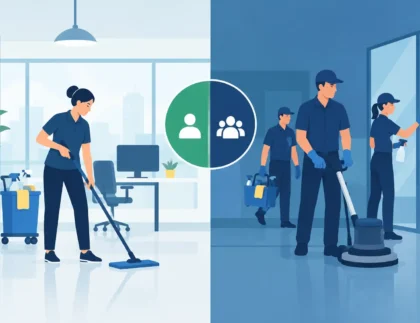
The same applies to commercial rentals. A shop, office or restaurant unit has different hygiene requirements, surfaces and access restrictions from a residential flat. The right service depends on how the property has been used, not simply what type of property it is.
For landlords, tenants and letting agents, the practical lesson is simple: treat the clean as part of the handover plan, not the job left until everything else is finished. If you need a reliable rental clean in London, Ultimate Cleaners can help you assess the property, arrange a convenient slot and get the space ready for its next chapter.