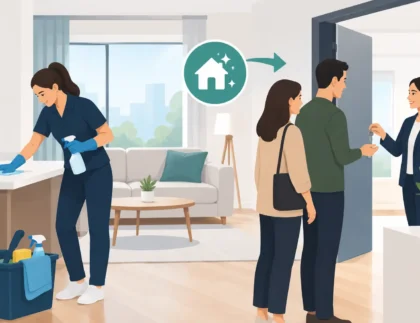
A new tenant should be able to open the fridge, use the bathroom and unpack in the kitchen without first reaching for rubber gloves. That simple test sits at the heart of landlord cleaning responsibilities. Before a tenancy begins, a rental property should be clean, safe and fit to live in. At the end, decisions about cleaning and deposit deductions must be fair, evidenced and based on the condition of the property when the tenant moved in.
For London landlords, cleaning is not just about presentation. It helps protect the condition of a valuable property, prevents avoidable disputes and gives incoming tenants a good first impression. The detail can vary between a furnished flat, an HMO and a house with communal areas, so it pays to set clear standards from day one.
What landlords are responsible for before move-in
A landlord should provide a property that is clean to a reasonable domestic standard at the start of a tenancy. There is no single statutory checklist that says every skirting board must be spotless, but the home must be safe, habitable and free from issues that could affect a tenant’s health. Dirt, mould, pests, leftover rubbish and unhygienic appliances can quickly become more than a cosmetic problem.
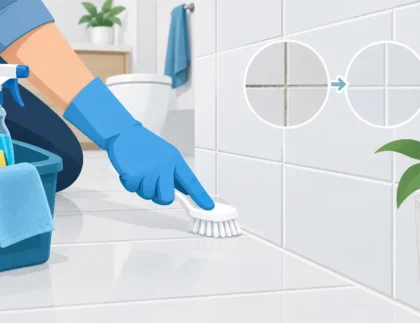
In practice, this means cleaning the kitchen, bathrooms, floors, internal windows, cupboards and accessible surfaces. The oven, hob, extractor, fridge and freezer deserve particular attention, as these are the areas tenants notice immediately and where old grease or food residue can cause disputes later. Any rubbish left in the property, garden or outbuildings should be removed before handover.
If the property is furnished, the landlord should also ensure supplied furniture is clean and usable. Mattresses, sofas and carpets should not carry stains, strong odours or signs of infestation. A professional deep clean between tenancies is often the simplest way to create a consistent starting point, especially after a long tenancy or where the outgoing tenant’s clean has fallen short.
Cleaning alone will not fix damp caused by a building defect, a leaking pipe or poor ventilation. Landlords remain responsible for repairs to the structure, installations and essential services. If mould is caused by a repair issue, arranging a wipe-down without addressing the cause is unlikely to solve the problem.
Landlord cleaning responsibilities in shared areas
Communal spaces need a clear plan. In a block of flats, the freeholder or managing agent may arrange cleaning for shared halls, stairs, entrances and bin areas, with costs handled through service charges. In a shared house or HMO, the arrangement depends on the tenancy agreement and how the property is managed.
Where tenants rent individual rooms and share a kitchen or bathroom, landlords often arrange regular cleaning of communal areas. This is particularly sensible in busy homes with several occupants, as it protects hygiene and reduces friction between housemates. It does not remove tenants’ duty to clean up after themselves, but it establishes a baseline standard for common spaces.
Be precise about what is included. A weekly cleaner may clean floors, worktops, bathrooms and bins, but tenants still need to wash their own dishes, remove food waste and keep personal belongings from blocking shared areas. Put the arrangement in writing rather than relying on assumptions.
Outdoor areas can also cause confusion. If a garden is included in a tenancy, tenants may be expected to carry out routine tasks such as weeding, mowing and keeping it tidy, provided they have the tools and access needed. Major clearance, dangerous trees, broken fencing or waste left by a previous occupier are generally matters for the landlord to resolve.
What tenants are expected to clean
Tenants are normally responsible for keeping the home reasonably clean during their tenancy and returning it in substantially the same level of cleanliness as at the start, allowing for fair wear and tear. Fair wear and tear is the gradual effect of ordinary use – not neglect, staining, excessive grease or rubbish accumulation.
A tenant who receives a professionally cleaned property is not automatically required to pay for a professional cleaner when leaving. What matters is the standard achieved, not who does the work. They can clean the property themselves if it is returned to the same standard. Landlords and agents should avoid blanket requirements that force tenants to buy a cleaning service, particularly where such a term could be unfair.
The line between cleaning and damage matters. Dusty blinds, a greasy oven or a stained carpet may justify a cleaning claim if the check-in evidence shows they were clean at the start. A cracked tile, damaged worktop or pet-related odour may be a separate issue. Keep each claim specific rather than rolling everything into a vague “end-of-tenancy clean” charge.
Make the inventory do the hard work
Most cleaning disagreements can be avoided with a detailed check-in inventory. It should describe the property’s condition room by room and include dated photographs. A note such as “kitchen clean” is too vague to support a later claim. “Oven interior degreased, fridge shelves clean, no food residue in cupboards” gives both sides a usable benchmark.
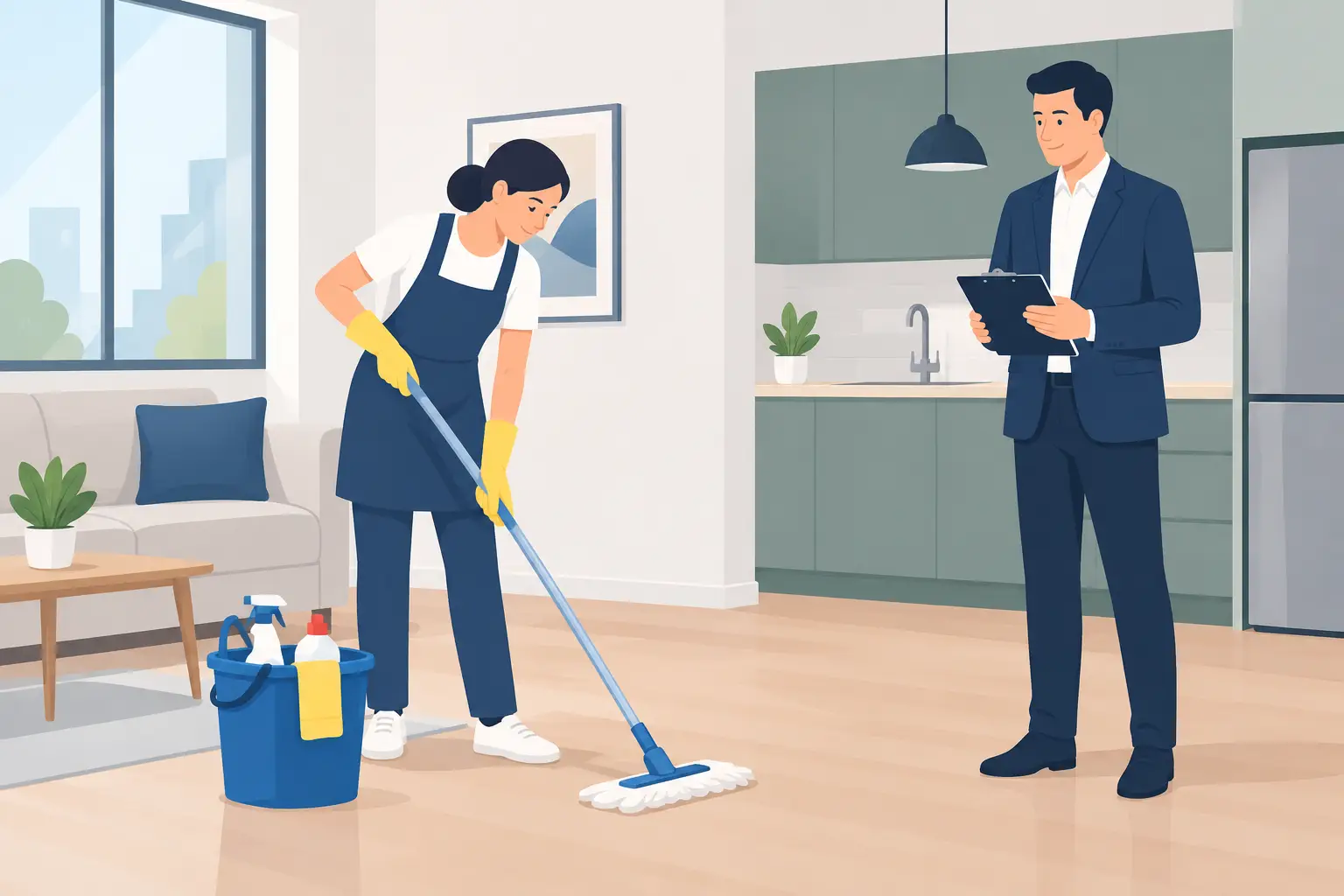
At check-out, compare the property against that record. If cleaning is needed, obtain a sensible quote and share the evidence with the tenant. Deposit deductions should reflect the actual, reasonable cost of returning the property to its documented starting condition. A landlord cannot charge betterment – in other words, use a cleaning claim to leave the property in a better state than it was before the tenancy.
A practical file for each tenancy should include:
- a signed and dated check-in inventory with photographs;
- records of cleaning, repairs and any pest treatment completed before move-in;
- written communication about cleaning concerns during the tenancy;
- a check-out report with clear photographs; and
- invoices or quotes for any work claimed from the deposit.
This approach is as useful for a tenant who has done a thorough job as it is for a landlord facing a genuine cleaning bill. It keeps the discussion factual and gives a deposit scheme enough information to assess a disagreement fairly.
When professional cleaning is worth arranging
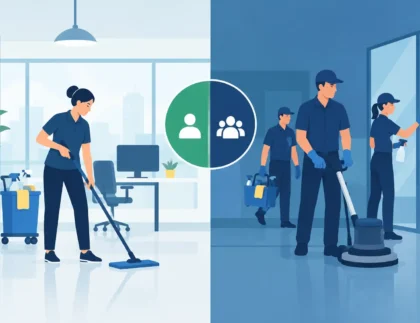
There are times when hiring help is simply the efficient option. A property may have been vacant for months, recently renovated, occupied by several sharers or left with heavy limescale, grease or carpet marks. In those cases, a routine domestic clean may not be enough.
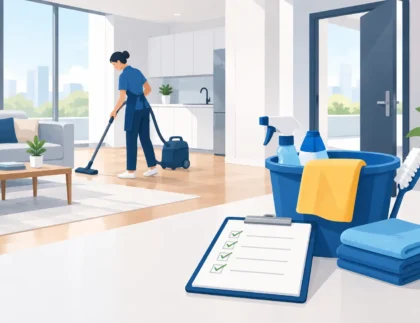
A proper move-in or end-of-tenancy clean can cover inside cupboards, appliances, sanitaryware, floors, internal glass and the overlooked edges that affect a tenant’s first impression. Carpet cleaning may be appropriate where there are stains or odours, but it should suit the carpet type and the condition recorded at check-in. Steam or hot-water extraction is not always right for every fabric or flooring material.
Landlords should also think about timing. Book cleaning after maintenance work, decorating and rubbish clearance, not before. There is little value in polishing a kitchen only for contractors to leave dust and footprints behind. If new tenants are moving in on the same day, allow enough time for a final inspection rather than assuming the job is complete.
For busy landlords across London, The Ultimate Cleaners can help prepare rental homes with one-off deep cleaning, move-in and move-out cleaning, carpet care and post-construction cleaning where needed. A clear scope, an agreed date and a final walk-through make the process far less stressful.
A fair standard protects everyone
The best cleaning arrangements are clear before the keys change hands. Landlords should provide a genuinely clean, safe home and keep good records. Tenants should maintain it responsibly and return it to the agreed starting standard, minus normal wear. Where the property, agreement or local licensing conditions create extra duties, check the current requirements rather than relying on an old template.
A clean handover is a small piece of property management that makes a big difference. Set the standard properly, document it carefully and arrange professional support when the work calls for more than a quick wipe-down.