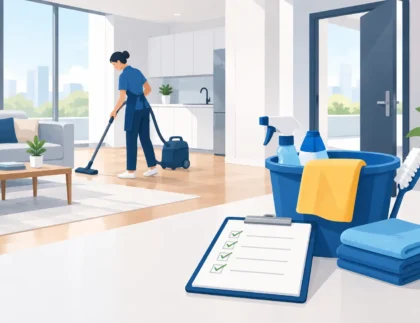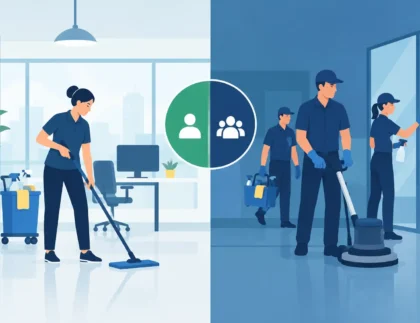

A clean space is no longer judged only by whether the floors look good and the bins are empty. The cleaning trends shaping London homes, offices and commercial sites are about hygiene, healthier indoor spaces, lower waste and less time spent chasing household or facilities jobs. For busy households and property managers, that shift is useful: cleaning is becoming more targeted, flexible and easier to plan.
The right approach still depends on the property. A weekly clean can keep a family home under control, while a restaurant, medical facility or high-footfall office may need frequent attention to touchpoints, washrooms and entrances. The common thread is clear – people want dependable results without added hassle.
Cleaning trends that are changing the standard
Greener products with a practical purpose
Eco-friendly cleaning is now an everyday expectation rather than a specialist extra. Customers increasingly want products that are effective but considerate of people, pets and the environment. This matters particularly in homes with children, shared offices, schools and spaces where staff or visitors spend long periods indoors.
However, green cleaning should not mean settling for a rushed or weak result. The best method matches the product and technique to the job: degreasing kitchen surfaces, treating limescale in bathrooms, lifting dirt from carpets or sanitising washrooms. Professional cleaners also use products correctly, avoiding the temptation to overuse chemicals simply because a surface looks challenging.
For landlords and tenants, environmentally conscious cleaning can be especially valuable at the end of a tenancy. A proper clean needs to deal with ovens, bathroom build-up, flooring and neglected corners, while keeping the property pleasant for its next occupants.
Hygiene focused on the places people touch
A room can appear tidy and still need a more careful hygienic clean. One of the strongest cleaning trends is a sharper focus on high-contact surfaces: door handles, light switches, lift buttons, taps, shared keyboards, reception counters and kitchen appliances.
This is not about turning every property into a clinical setting. It is about making sensible decisions based on how a space is used. An office with hot-desking, a busy shop, a gym changing room and a family kitchen all have different pressure points. Regular attention to these areas supports a cleaner experience for everyone and reduces the chance that grime builds up unnoticed.
In commercial premises, consistency matters as much as product choice. Staff and visitors notice when washrooms are reliably fresh, glass is free from fingerprints and communal areas look cared for throughout the day. A cleaning schedule should reflect footfall, not just what fits neatly into a weekly diary.
Deep cleaning is becoming part of routine care
Many people are moving away from the idea that deep cleaning is only for spring or a move. Regular cleaning handles day-to-day dust, crumbs and surface marks. Deep cleaning tackles the jobs that slowly become harder: grease behind appliances, soap residue around shower screens, dust on skirting boards, stains in carpets and dirt trapped in hard-to-reach areas.
That does not mean every home needs a full deep clean every month. For a well-maintained flat, an occasional spring clean may be enough. For a busy household with pets, young children or lots of visitors, more frequent detailed cleaning can save time later. The same principle applies to offices after a fit-out, shops before a major trading period and rental properties between occupants.
A planned deep clean is usually less disruptive than waiting until the job feels overwhelming. It also allows cleaners to spend time on the areas that make the biggest difference, rather than giving every surface the same level of attention.
Flexible cleaning built around real schedules
London customers have little patience for rigid appointment windows and unclear service scopes. Flexibility is one of the cleaning trends that has genuinely improved the experience of booking professional help. People want to choose a time that works, explain what needs doing and know whether they are arranging a one-off clean, a recurring visit or specialist work.
For homeowners, flexibility may mean arranging a cleaner around work, school runs or a weekend event. For a facilities manager, it can mean early morning office cleaning, evening work after closing or extra cover after a busy period. A reliable cleaning company should be able to adapt the service without making the process complicated.
Clear expectations make this work. Before a booking, identify the rooms or areas that need priority, any access arrangements, and whether there are delicate surfaces, pets or particular concerns. A straightforward brief helps the cleaner arrive prepared and helps you get value from the visit.
Why specialist cleaning is growing
General cleaning is essential, but some jobs require more than a standard checklist. Carpet cleaning, post-construction cleaning, window cleaning and move-in or move-out work are increasingly booked as separate services because they demand specific equipment, methods and time.
Carpets are a good example. Regular vacuuming removes loose dust, but it will not always deal with embedded dirt, odours or traffic marks. Professional carpet cleaning can refresh rooms that see heavy use, including hallways, offices, rented homes and waiting areas. The best timing depends on the carpet type, level of use and whether the space needs to be ready quickly afterwards.
Post-construction cleaning is another growing need across London. Builders’ dust travels further than most people expect, settling on ledges, fittings, floors and inside cupboards. A proper after-build clean is not simply a quick tidy-up. It needs a methodical approach so the finished space looks ready to use rather than newly completed but still dusty.
For businesses, specialist cleaning protects presentation as well as hygiene. Clean showroom glass, polished floors and well-kept entrances tell customers that the operation is organised. In restaurants, warehouses, medical settings and shops, the details also support safer, more comfortable day-to-day working conditions.
Cleaning trends and the value of recurring care
The most useful cleaning trend may be the simplest: treating cleaning as regular property maintenance rather than a last-minute rescue job. Recurring cleaning gives households a reliable baseline and gives commercial sites a predictable standard. Instead of repeatedly deciding when things have become bad enough to address, there is a routine that prevents the build-up.
For homes, this can free up evenings and weekends for the things you actually want to do. For landlords, it can help keep properties presentable between viewings or tenancies. For offices and customer-facing sites, it creates a professional environment that employees do not have to manage alongside their main work.
There is a trade-off. A recurring service needs the right frequency and scope to feel worthwhile. Booking too little may leave the toughest jobs untouched; booking too much can be unnecessary for a lightly used property. A good starting point is to consider occupancy, footfall, pets, cooking habits, flooring and the level of presentation required. Then adjust as the season or your schedule changes.
How to choose a cleaning service that keeps up
Trends are only helpful if they lead to better results. When choosing a cleaner, look beyond a vague promise to make the place sparkle. Ask what is included, how the team handles specialist requirements, whether eco-friendly options are available and how easily you can arrange or amend visits.
Responsiveness matters when circumstances change. A tenant may need an end-of-tenancy clean at short notice. An office may need extra attention before clients arrive. A retailer may need an early clean after a high-footfall weekend. The service should be clear, dependable and built around the realities of your property.
The Ultimate Cleaners supports London homes and businesses with one-off, recurring and specialist cleaning designed to take the pressure off. Whether you need a detailed spring clean in Islington, office cleaning in Canary Wharf or a move-out clean elsewhere in the capital, the aim should be the same: a properly cleaned space, handled without fuss.
Start with the areas that cause the most stress, then choose a cleaning routine that keeps them under control. A clean property should feel easier to live or work in – not like another job waiting on your list.