A medical waiting room can look tidy at 9am and feel completely different by lunchtime. Patients, clinicians, visitors and delivery teams all touch the same doors, chairs, counters and washrooms. That is why cleaning services for medical facilities need more than a quick wipe-round. They need a reliable routine, careful attention to high-contact areas and a team that works around the people who rely on the site.
For GP practices, dental surgeries, clinics, physiotherapy centres and private healthcare premises across London, a clean environment supports confidence as well as day-to-day hygiene. Patients notice dusty skirting boards, marked glass and untidy washrooms. Staff notice when bins overflow, supplies run low or cleaning gets in the way of a busy appointment schedule.
What medical facility cleaning needs to cover
Medical premises are not all the same. A small consultation clinic has different needs from a multi-room surgery with a busy reception, treatment rooms and staff facilities. The right cleaning plan starts with how the space is used, when it is busiest and which areas need the closest attention.
In most facilities, reception desks, door handles, handrails, seating, switches, toilets and staff kitchens are high-use points. These areas need regular, methodical cleaning as part of the daily routine. Floors also matter. Entrances quickly collect rainwater, grit and street dirt, particularly during a London winter, while carpets and upholstered seating can hold dust and odours if they are left too long between deeper cleans.
A professional service should also deal with the details that are easy to miss during a busy day: internal glass, ledges, vents, radiators, chair legs, bins, staff rooms and the corners behind furniture. These details shape how clean a practice feels to everyone walking through the door.
Cleaning and clinical disinfection are not the same job
This distinction is worth making clearly. General commercial cleaning removes visible dirt, dust and everyday grime. It can include cleaning frequently touched surfaces with appropriate products and procedures agreed for the premises. However, specialist clinical decontamination, biohazard response, sharps handling and the treatment of infectious spills may require specific protocols, trained personnel and arrangements outside a standard cleaning contract.
A dependable cleaning company will be upfront about this. Before work begins, the facilities manager or practice lead should explain the areas involved, any restricted rooms, the products permitted on site and the escalation process if a cleaner finds a spill or waste that needs specialist handling.
That clarity protects everyone. It avoids assumptions, keeps cleaners within their agreed scope and helps the practice maintain its own hygiene procedures without disruption.
The products should fit the setting
Eco-conscious cleaning is a sensible choice in many offices and communal areas, especially where strong fragrances may bother patients or staff. Yet eco-friendly should never mean ineffective. The product and method must suit the surface, the level of cleaning required and the rules of the facility.
For example, a suitable low-odour cleaner may work well on reception furniture and general flooring, while a designated product may be required for particular high-contact areas. Using too much chemical can leave residue, damage finishes or create an unpleasant smell. Using the wrong product can be just as unhelpful. Good cleaning is about control, not simply using the strongest bottle in the cupboard.
A schedule built around appointments and footfall
Most medical facilities cannot pause for cleaning during the middle of a packed day. Patients need privacy, clinicians need access to rooms and reception staff need clear walkways. Flexible scheduling is therefore a major part of the service.
Early-morning, evening and weekend cleaning can keep disruption low. In some cases, a cleaner may attend during quieter periods for washroom checks, bin changes and reception touch-ups, then complete the main clean after closing. The best option depends on your opening hours, the number of visitors and whether the premises include areas that must remain private or restricted.
Frequency also depends on use. A small private clinic with booked appointments may need a thorough clean several times a week. A high-footfall practice may need daily cleaning, with more frequent attention to washrooms and entrances. Carpet cleaning, window cleaning and deep cleaning can be planned separately, often outside normal operating hours.
What a practical medical cleaning specification looks like
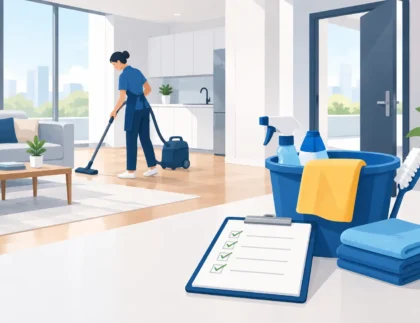
A clear specification stops important jobs slipping through the gaps. Rather than asking for a vague “clean every evening”, identify the rooms, surfaces, frequency and expected standard. It gives your cleaning team a proper route to follow and makes routine checks easier for the person responsible on site.
A useful plan normally separates daily work from periodic work. Daily tasks may include vacuuming and mopping floors, cleaning washrooms, emptying bins, wiping reception surfaces and cleaning touchpoints. Weekly or monthly tasks might include detailed dusting, internal glass, carpet spot treatment, high-level dust removal and cleaning behind movable furniture.
It is also sensible to agree practical site rules from the outset. This could include sign-in procedures, alarm access, keyholding, uniform expectations, confidential paperwork, storage areas and who to contact if there is an issue. In a healthcare environment, cleaners should not need to guess where they can work or what they should avoid.
Do not forget the patient experience
Hygiene is the priority, but presentation still counts. A spotless washroom with no hand soap feels unfinished. A gleaming floor that has been left wet creates a safety concern. Strong perfume in the waiting area may be uncomfortable for people with respiratory conditions or sensitivities.
Small operational details make a difference: fresh liners in bins, streak-free glass at the entrance, neatly arranged seating and floors that are clean and dry before patients arrive. These are the signs of a service that understands the working environment, rather than treating the building like any other commercial unit.
Questions to ask before choosing a cleaning provider
The lowest quote is not always the lowest-cost option. If the cleaner arrives late, misses areas repeatedly or needs constant chasing, the contract soon creates more work for your team. Look for a provider that can explain how it will tailor the service to your premises and respond when something changes.
Ask who will clean the site, how cover is arranged if a regular cleaner is unavailable, and how quality concerns are reported and resolved. Confirm whether cleaning materials and equipment are supplied, whether the team can work outside your clinical hours, and how additional services such as carpet, window or post-construction cleaning can be booked when needed.
For facilities teams managing several priorities, convenience matters. A straightforward estimate, clear scope of work and simple scheduling remove friction before the first clean has even happened. If your practice expands, refurbishes a room or changes its opening times, the cleaning plan should be able to change with it.
A dependable local service for London practices
The Ultimate Cleaners provides flexible commercial cleaning for medical facilities and other specialist sites across London. We work with you to create a practical schedule around your premises, helping you keep receptions, washrooms, staff areas and shared spaces presentable, hygienic and ready for the next patient.
Whether you manage a clinic in Islington, a dental practice in Ealing or a busy surgery elsewhere in London, the aim is simple: cleaning that fits your operation rather than interrupting it. Request a free estimate with your opening hours, room types and preferred frequency, and we can help shape a service that makes the daily workload lighter.
A good cleaning routine should fade into the background. Patients feel comfortable, staff can focus on their work and the premises are ready each morning without anyone having to chase the basics.